
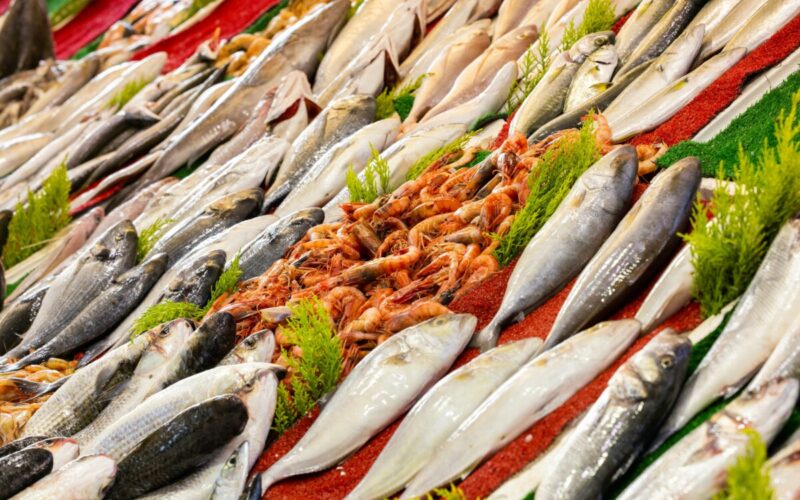
Selecting a seafood supplier in Indonesia is an important decision for international buyers sourcing fishery products. A reliable partner should offer consistent quality, suitable frozen seafood products, dependable processing, export documentation, traceability, and international logistics. For importers, choosing the right seafood supplier in Indonesia can help reduce supply-chain risks while supporting consistent product availability and quality.
Why Indonesia Is an Important Seafood Sourcing Market
Indonesia is one of the world’s major seafood-producing countries because of its extensive marine resources and large fisheries sector. According to the Food and Agriculture Organization (FAO), Indonesia remains among the world’s leading producers of aquatic animals, supported by its extensive coastline and diverse fisheries resources.
This creates opportunities for international buyers seeking seafood exports such as tuna, grouper, milkfish, squid, cuttlefish, and octopus. However, having access to abundant seafood does not automatically mean every supplier can meet international purchasing requirements.
The supplier’s processing capabilities, quality controls, product specifications, documentation, and export experience should therefore be evaluated before placing an order.
What Makes a Reliable Seafood Supplier?
A reliable supplier should be able to demonstrate several important capabilities.
1. Consistent Product Quality
Quality consistency is essential for importers, wholesalers, restaurants, retailers, and foodservice businesses. Buyers should ask how seafood is handled from landing through processing, freezing, packaging, storage, and shipment.
A supplier should also be able to provide clear product specifications, including species, size, weight, processing method, freezing method, packaging, and storage requirements.
2. Strong Cold-Chain Management
Temperature control is particularly important when purchasing frozen seafood products. Seafood should remain at appropriate temperatures throughout processing, storage, transportation, and export.
Buyers should ask about cold-storage facilities, freezing capabilities, packaging methods, and procedures for minimizing temperature fluctuations during shipment.
3. Product Variety
Working with a supplier offering multiple seafood categories can simplify procurement. Depending on market requirements, buyers may look for pelagic and demersal fish, tuna, squid, cuttlefish, octopus, and other fishery products.
A broader product portfolio can also allow importers to consolidate purchasing and potentially reduce the complexity of managing multiple suppliers.
Check Export Experience and Documentation
International seafood transactions involve more than simply purchasing products. Importers need a supplier that understands export procedures and can provide the documentation required for international shipments.
Before choosing a supplier, ask about:
- Export documentation
- Product specifications
- Health and quality documentation
- Packaging and labeling requirements
- Traceability
- Shipping arrangements
- Minimum order quantities
- Destination-market requirements
An experienced Seafood Distributor or exporter should understand these requirements and communicate them clearly before confirming an order.
Evaluate Processing and Freezing Capabilities
Processing capabilities can significantly affect product quality and commercial suitability. Depending on the species and destination market, buyers may require whole round, gutted and gilled, fillet, IQF, semi-IQF, or block-frozen products.
International buyers should therefore confirm whether a supplier can provide the required specifications rather than assuming that every seafood company offers the same formats.
For businesses purchasing large volumes, the ability to maintain consistent specifications across multiple shipments can be just as important as the initial product price.
Look Beyond Price
Price is naturally an important factor in seafood procurement, but the cheapest quotation is not necessarily the most cost-effective option.
A lower price can become expensive if products arrive with inconsistent specifications, inadequate packaging, poor temperature control, documentation problems, or unexpected delays.
Instead, international buyers should evaluate the total cost of sourcing, including product price, packaging, shipping, potential losses, lead times, and supplier reliability.
A dependable seafood supplier in Indonesia can provide greater value by consistently meeting required product specifications and shipment quality standards.
Compare Supplier Experience and Market Capability
Buyers should also investigate how long a supplier has operated, which seafood products it handles, where its processing facilities are located, and whether it has experience serving international markets.
A professional seafood supplier company should be able to explain its sourcing process, processing operations, quality procedures, product specifications, and export workflow.
For buyers specifically seeking a frozen seafood exporter, these capabilities are particularly important because frozen products rely on reliable processing and cold-chain management from origin to destination.
Why Work With an Indonesian Seafood Export Company?
Indonesia’s geographical position and diverse fisheries resources provide international buyers with access to a wide range of seafood. Working directly with an Indonesian supplier can also simplify communication around product specifications, sourcing, processing, and export requirements.
AB Mandiri, for example, operates as a seafood processing and export company in Indonesia, providing a range of seafood products for international markets. Its product portfolio includes fish and other seafood, available in various processing and freezing formats.
For buyers, establishing a direct relationship with a qualified seafood exporter can make it easier to discuss specifications, packaging, order quantities, and destination market requirements.
Choose a Reliable Seafood Partner
Selecting the right Seafood supplier in Indonesia is about more than finding a competitive price. International buyers should evaluate product quality, processing capabilities, freezing methods, documentation, traceability, export experience, and supply reliability.
For businesses looking to source seafood from Indonesia, working with an experienced supplier can create a more predictable procurement process and support long-term international purchasing relationships.
Ready to source seafood from Indonesia? Explore AB Mandiri’s products and contact the team to discuss your seafood requirements.
Questions to Ask Before Choosing a Supplier
Before signing a purchasing agreement, international buyers should ask:
Confirm the species, size ranges, processing formats, and availability.
Ask whether products are IQF, semi-IQF, block frozen, or supplied in other formats.
Clarify which documents are available and whether they meet the destination market’s requirements.
Ask about processing, cold storage, temperature control, traceability, and quality procedures.
This helps determine whether the supplier is suitable for your purchasing volume.
No. Buyers should compare quality, specifications, processing, documentation, logistics, lead times, and reliability alongside price.